A digital kitchen food scale is an indispensable tool that elevates cooking and baking by providing unparalleled precision in ingredient measurements, ensuring consistent results and reducing cleanup. Unlike volumetric measurements, digital scales offer exact weight readings, typically down to 0.1 gram, which is crucial for sensitive recipes like macarons or delicate pastries. At Lodcs.com, we emphasize that mastering this device is key to culinary success.
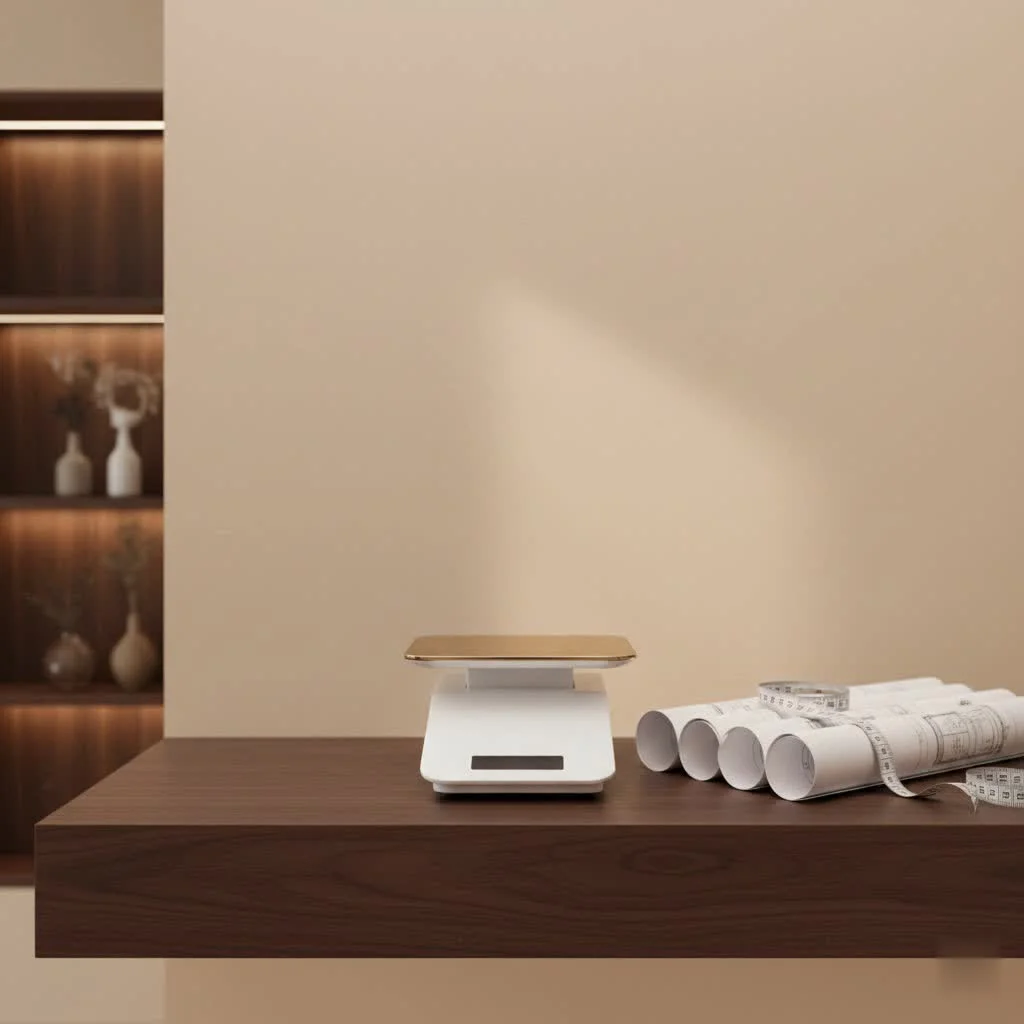
Why a Digital Kitchen Food Scale is Your Secret Ingredient
A “cup” of flour can vary significantly based on how it’s scooped, impacting an entire recipe. A digital kitchen food scale solves this by providing exact weight measurements for both dry and liquid ingredients. Its core benefits include:
- Unrivaled Accuracy and Consistency: Digital scales measure down to the gram or fraction of an ounce, eliminating variations from volumetric measurements. This consistency ensures recipes turn out perfectly every time.
- Reduced Cleanup: The tare function allows measuring multiple ingredients directly into one bowl, significantly cutting down on dirty measuring cups and spoons.
- Enhanced Versatility: From baking bread and brewing coffee to portion control and precise cocktail measurements, a digital kitchen food scale handles diverse culinary tasks with ease.
Unpacking the World of Digital Kitchen Food Scales: Types and Key Features
At its heart, a digital kitchen food scale is a marvel of modern engineering designed for simplicity and precision. Understanding its mechanics and key features will empower you to choose and use one effectively.
Understanding the Core: How They Work
When an item is placed on a digital kitchen food scale, its weight deforms an internal strain gauge. This deformation converts into an electrical signal, which a digital converter processes and displays as a precise numerical weight on the screen. This technological foundation provides consistent and accurate readings superior to mechanical scales.
Key Features to Look For
Navigating the market for a digital kitchen food scale means understanding what features truly matter for your culinary journey.
- Accuracy and Precision: Look for scales that measure in fine increments, typically 0.1 gram to 1 gram. Some specialized scales offer half-gram precision, ideal for sensitive tasks like weighing yeast or spices.
- Capacity: Most home kitchen scales handle up to 11 pounds (5 kilograms), sufficient for everyday cooking. For larger batches, consider scales with higher capacities or dual platforms.
- Units of Measurement: A good digital kitchen food scale offers multiple units, including grams (g), ounces (oz), pounds (lb), milliliters (ml), and sometimes fluid ounces (fl oz) or kilograms (kg). Easy unit switching is a major convenience.
- Tare Function: This feature is essential. The “tare” (or “zero”) button subtracts the weight of any container or zeros out the scale after adding an ingredient, allowing subsequent ingredients to be measured in the same bowl.
- Display: A large, backlit LCD display ensures readability even in dim lighting or when a large mixing bowl is present. Some designs feature pull-out displays to prevent obstruction.
- Ease of Cleaning: Smooth, flat, spill-resistant surfaces are highly desirable. Glass-topped models or those with sealed buttons are often easier to wipe clean, preventing food particles from getting trapped.
- Power: Most digital kitchen food scales use AA or AAA batteries, but some high-end models include an AC adapter or USB-rechargeable options. An auto-off function conserves battery life, but ensure it has a reasonable duration.
- Specialized Features: Some scales offer “smart” features for nutritional tracking, dual platforms for different capacities, or even voice command functionality.
Choosing the Right Digital Kitchen Food Scale for Your Needs
Selecting the perfect digital kitchen food scale depends on your primary culinary activities and budget.
- For the Avid Baker: Precision is paramount. Look for scales with fine increments (0.1g) and a reliable tare function. A higher capacity is beneficial for large dough batches.
- For Meal Preppers: Capacity and ease of use are key. A scale that handles larger quantities and is easy to clean will save time.
- For Coffee Enthusiasts: High precision for small weights (like coffee beans) and a built-in timer are invaluable for pour-over methods.
- For Everyday Home Cooks: A versatile scale with standard features, good readability, and decent capacity serves most general cooking tasks well.
Renowned brands like Escali, Etekcity, OXO Good Grips, Ozeri, and KitchenAid consistently appear on “best of” lists, offering a range of options that balance features, accuracy, and price.
Hands-On: How to Use Your Digital Kitchen Food Scale Like a Pro
The Setup: Getting Started
|
Our Picks for the Best Kitchen Scale in 2026
As an Amazon Associate I earn from qualifying purchases.
|
||
| Num | Product | Action |
|---|---|---|
| 1 | Food Scale -33lb Digital Kitchen Scale for Food Ounces Grams Rechargeable 304 Stainless Steel,Batteries and Type-C Charging - Perfect for Meal Prep, Cooking, and Baking, Black |

|
| 2 | Etekcity Digital Food Kitchen Scale, Grams and Oz for Weight Loss, Baking and Cooking, 0.05oz/1g Precise Graduation,5 Weight Units, IPX6 Waterproof, USB Rechargeable,304 Stainless Steel-Silver, 22lb |
|
| 3 | OXO Good Grips 11-Pound Stainless Steel Kitchen Scale with Pull-Out Display - Black |
|
| 4 | Electronic Kitchen Scale |
|
| 5 | Digital Pocket Scale, High-Precision 500g x 0.01g Gram Scale with 50g Calibration Weight, Mini 6 Units Jewelry Scale with LCD Display, Tare Function for Food, Jewelry, Coin, Coffee, Battery Included |
|
| 6 | KitchenAid KQ909 Dual Platform Digital Kitchen and Food Scale, 11 pound capacity and Precision 16oz capacity, Black with Stainless Steel |
|
| 7 | Tcsxady Food Scale, 11lb Digital Kitchen Scale with 6 Units LCD Display and Tare Function,Compact Design for Baking,Healthy Cooking,Meal Prep, 304 Stainless Steel |
|
| 8 | Nicewell Food Scale, 22lb Digital Kitchen Scale Weight Grams and oz for Cooking Baking, 1g/0.1oz Precise Graduation, Stainless Steel and Tempered Glass (Ash Silver) |
|
| 9 | Etekcity Food Kitchen Scale, Digital Grams and Ounces for Weight Loss, Baking, Cooking, Keto and Meal Prep, LCD Display, Medium, 304 Stainless Steel |
|
| 10 | Amazon Basics Digital Kitchen Scale with LCD Display, Batteries Included, Weighs up to 11 pounds, Black and Stainless Steel |
|
Always place your digital kitchen food scale on a flat, stable, and level surface to ensure accurate readings. Turn on the scale and allow it to settle on zero. Select your desired unit of measurement—typically grams for baking or ounces for other applications—by pressing the “mode” or “unit” button. Most scales retain this setting after being turned off.
Mastering the Tare Function
The tare function is a key feature. Place your empty mixing bowl on the scale, then press the “tare” (or “zero”) button; the display will reset to zero, subtracting the container’s weight. Add your first ingredient, then press “tare” again to zero out its weight, allowing you to add the next ingredient directly into the same bowl. This sequential weighing method simplifies complex recipes and reduces cleanup.
Precision Pouring and Adding
When adding ingredients, especially powders or liquids, do so slowly and steadily. If you overshoot, use a small spoon to carefully remove tiny amounts until the exact weight is reached. Clara Dubois, Senior Culinary Analyst at Lodcs.com, advises, “The difference in accuracy, especially for sensitive ingredients like flour or leavening agents, is simply incomparable to measuring cups.”
Keeping Your Scale in Top Shape: Maintenance and Care Tips
Proper maintenance preserves accuracy and extends the lifespan of your digital kitchen food scale.
Daily Cleaning Rituals
After each use, wipe down the weighing platform and display with a soft, damp cloth. A mild dish soap solution can be used for sticky residues. Never submerge your digital kitchen food scale in water or spray liquids directly onto it, as this can damage sensitive internal electronics. For buttons and the display screen, a slightly damp microfiber cloth is ideal, avoiding harsh chemicals or abrasive cleaners.
Tackling Stubborn Messes
For dried-on food or grime in tight corners, a cotton swab lightly dipped in rubbing alcohol can be effective without causing damage. Avoid sharp objects or scouring pads that could scratch the surface or harm the load sensors.
Long-Term Maintenance for Longevity
If storing your digital kitchen food scale for an extended period, remove the batteries to prevent leakage. Store it in a dry place, away from extreme temperatures and moisture. Avoid stacking heavy items on top, as this can affect calibration. Use a protective cover if provided, and replace batteries promptly when readings become inconsistent.
Calibration: Ensuring Your Digital Kitchen Food Scale Stays Accurate
Even the best digital kitchen food scale can drift in accuracy over time due to factors like temperature changes or movement. Regular calibration is vital to maintain its trustworthiness.
Many digital kitchen food scales include manual calibration instructions in their user manuals. This often involves using a known weight, such as commercial calibration weights or common household items like four U.S. nickels (which weigh exactly 20 grams). Calibrating your scale monthly, after moving it, or if its accuracy seems compromised, is a good rule of thumb to maintain peak performance.
Digital vs. Analog: Why Digital Dominates the Kitchen
While analog (or mechanical) kitchen scales still exist, digital models are the preferred choice for modern kitchens due to superior accuracy and features.
| Feature | Digital Kitchen Food Scale | Analog Kitchen Scale |
|---|---|---|
| Accuracy | Highly precise, measures minute changes (0.1g – 1g) | Less precise, harder to read exact fractions |
| Readability | Clear, instant digital display, often backlit | Needle and dial, can be harder to interpret exact readings |
| Features | Tare, unit conversion, auto-off, smart features, dual platforms | Basic weighing, no extra functions |
| Portability | Generally compact, lightweight | Often bulkier, less convenient for transport |
| Power | Batteries or AC adapter, power dependent | Mechanical, no power needed |
| Durability | Can be delicate, sensitive electronics | Generally robust, fewer delicate parts |
Digital scales offer superior accuracy, readability, and convenient features like the tare function and multiple unit options, making them far more effective for today’s diverse culinary needs. For the precision required in cooking and baking, digital is undeniably the champion.
Top Brands to Consider (and Why Lodcs Recommends Them)
When looking for a digital kitchen food scale, certain brands consistently deliver on quality, accuracy, and user experience. Escali is praised for user-friendly design and consistent performance, often featuring sealed buttons and vibrant colors. Etekcity scales are popular for excellent value, accuracy, and slim profiles. OXO Good Grips offers innovative features like pull-out displays, ideal for large bowls. Ozeri provides reliable, budget-friendly options, while KitchenAid is known for robust designs, including dual-platform models. At Lodcs.com, we rigorously test and evaluate digital kitchen food scales to ensure they meet the highest standards of accuracy, durability, and user-friendliness, guaranteeing you make an informed decision for your kitchen.
The digital kitchen food scale is more than just an appliance; it’s a partner in your culinary adventures, bringing precision, confidence, and consistency to every dish you create. By choosing the right model, understanding its functions, and maintaining it with care, you unlock a new level of cooking prowess. Visit Lodcs.com for more expert insights and turn your kitchen into a hub of perfectly measured, perfectly delicious creations.
Frequently Asked Questions
What is the primary benefit of using a digital kitchen food scale?
The primary benefit of using a digital kitchen food scale is unparalleled accuracy and consistency in ingredient measurement, typically down to 0.1 gram. This eliminates variations common with volumetric measurements, ensuring recipes turn out perfectly every time, especially for sensitive baking.
How does the tare function work on a digital kitchen food scale?
The tare function allows you to subtract the weight of a container or zero out the scale after adding an ingredient. You place an empty bowl on the scale, press 'tare' to reset to zero, add your first ingredient, and then press 'tare' again to measure subsequent ingredients in the same bowl, simplifying the process and reducing cleanup.
What are the most important features to look for in a kitchen food scale?
The most important features to look for in a kitchen food scale include high accuracy (0.1g to 1g increments), a sufficient capacity (around 11 pounds or 5 kilograms for home use), multiple units of measurement (g, oz, lb, ml), and a reliable tare function. A clear, backlit display and ease of cleaning are also highly beneficial.
How often should I calibrate my digital kitchen food scale?
You should calibrate your digital kitchen food scale monthly, after moving it, or if you notice any inconsistencies in its readings. Many scales come with instructions for manual calibration using known weights, such as commercial calibration weights or four U.S. nickels (which weigh 20 grams).
Why are digital kitchen scales preferred over analog scales for cooking?
Digital kitchen scales are preferred over analog scales because they offer superior accuracy, measuring minute changes (0.1g - 1g), and provide clear, instant digital displays. They also include convenient features like tare, unit conversion, and auto-off, which analog scales lack, making them more effective for modern culinary needs.
How to Use Your Digital Kitchen Food Scale Like a Pro
Learn the essential steps to set up, use the tare function, and precisely measure ingredients with your digital kitchen food scale for perfect culinary results.
Place your digital kitchen food scale on a flat, stable, and level surface to ensure accurate readings. Turn it on and allow the display to settle on zero. Select your desired unit of measurement, typically grams for baking, by pressing the 'mode' or 'unit' button.
Place an empty mixing bowl or container on the scale, then press the 'tare' or 'zero' button to reset the display to zero, effectively subtracting the container's weight. Add your first ingredient, then press 'tare' again to zero out its weight, allowing you to add subsequent ingredients directly into the same bowl.
When adding ingredients, especially powders or liquids, do so slowly and steadily to avoid overshooting the desired weight. If you add too much, use a small spoon to carefully remove tiny amounts until you reach the exact measurement. This precision is crucial for sensitive recipes.
Cooking gear we tested in our own kitchens
Free PDF — preheat times measured on 10 popular air fryers.

I bought one of the scales in the mid-range price point, around $30-$40, and it’s okay. It definitely helps with consistency for baking, especially with things like yeast activation where precise water temperature and weight are key. However, I’ve noticed it sometimes takes a second or two to register the final weight, which can be a bit annoying when I’m trying to quickly add ingredients. It gets the job done, but it’s not super fast.
This scale has been a solid addition to my kitchen. I appreciate the accuracy, especially when I’m working on delicate pastries where even a slight variation can throw things off. The tare function is super handy for adding multiple ingredients to the same bowl. My only minor complaint is that the display can be a little hard to read if there’s a large bowl on it, but it’s not a dealbreaker.
As someone who’s really gotten into meal prepping and tracking macros, this digital scale is absolutely essential. Being able to weigh out portions of chicken or rice to the exact gram makes a huge difference in hitting my nutritional goals. It’s also super easy to clean, which is a big plus after a busy cooking session. Highly recommend for anyone serious about their diet or baking.
I finally caved and bought a digital kitchen food scale after years of just using measuring cups. What a game changer! My sourdough has been so much more consistent since I started weighing my flour and water. I used to struggle with macarons, but now that I can measure ingredients like almond flour down to the gram, they’re turning out perfectly every time. Wish I’d gotten one sooner!